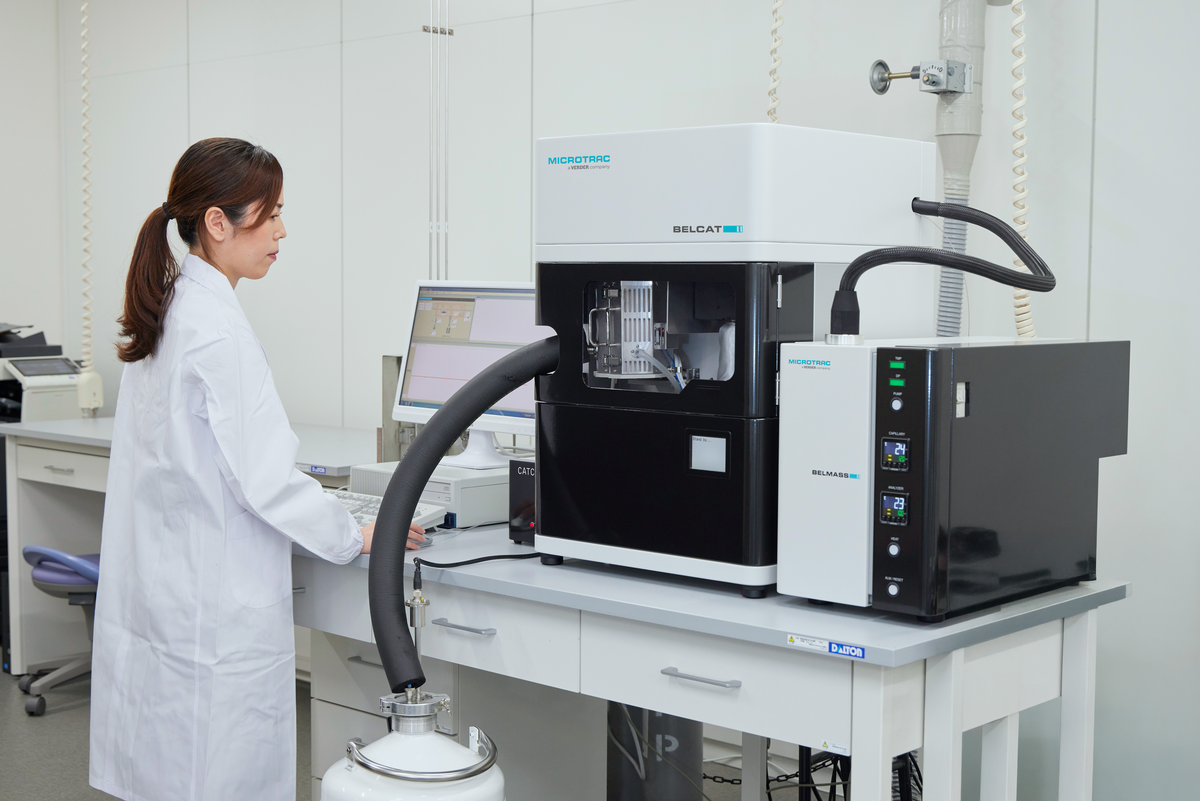
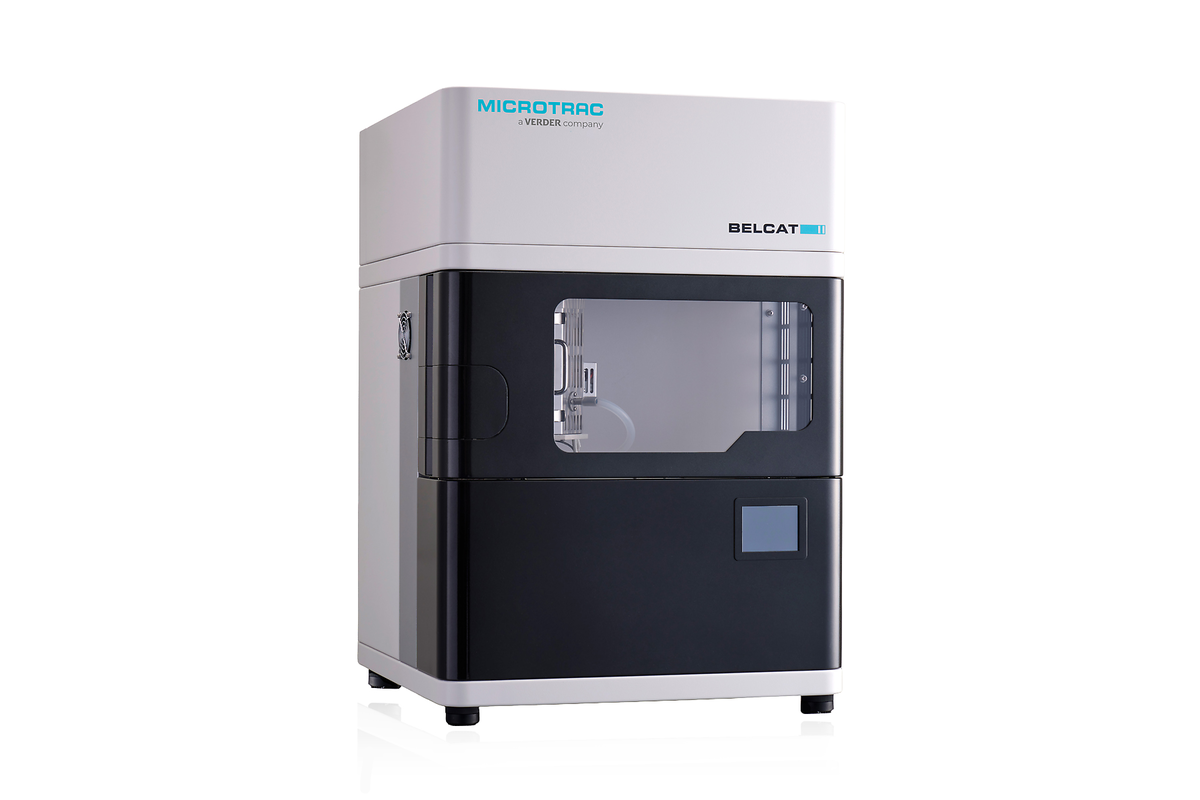
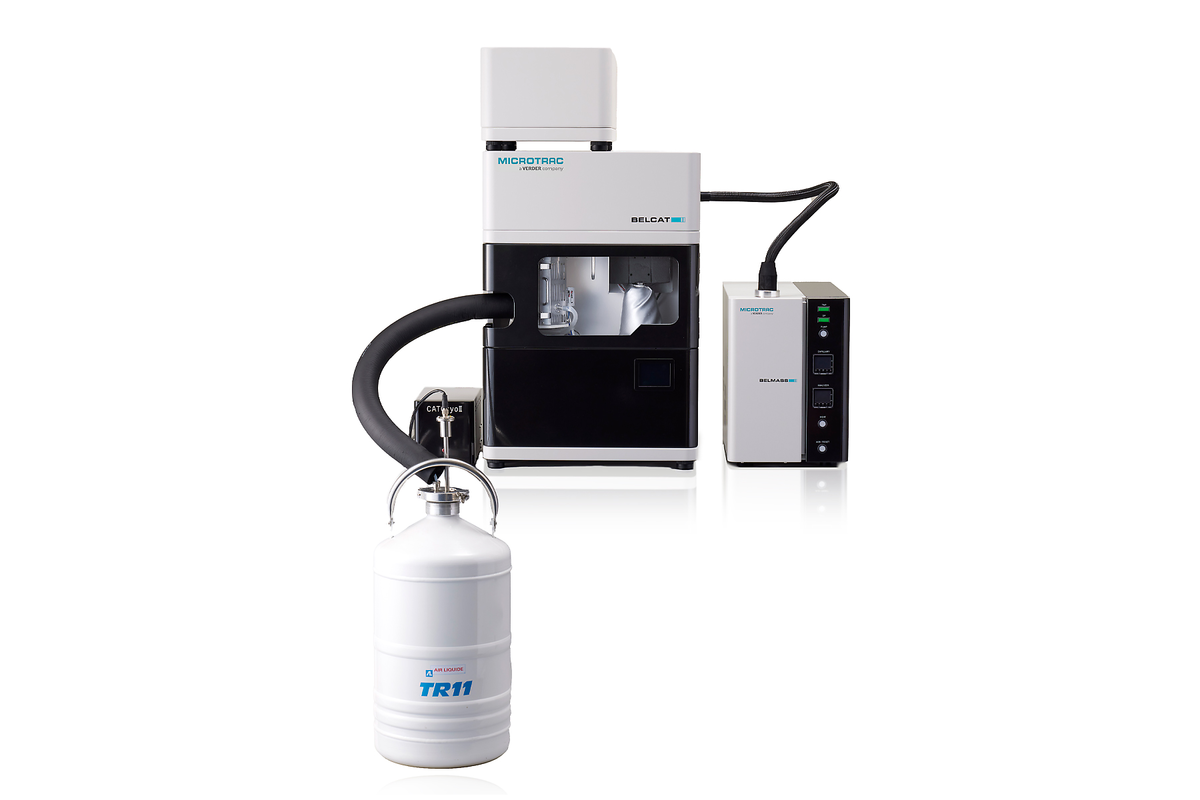
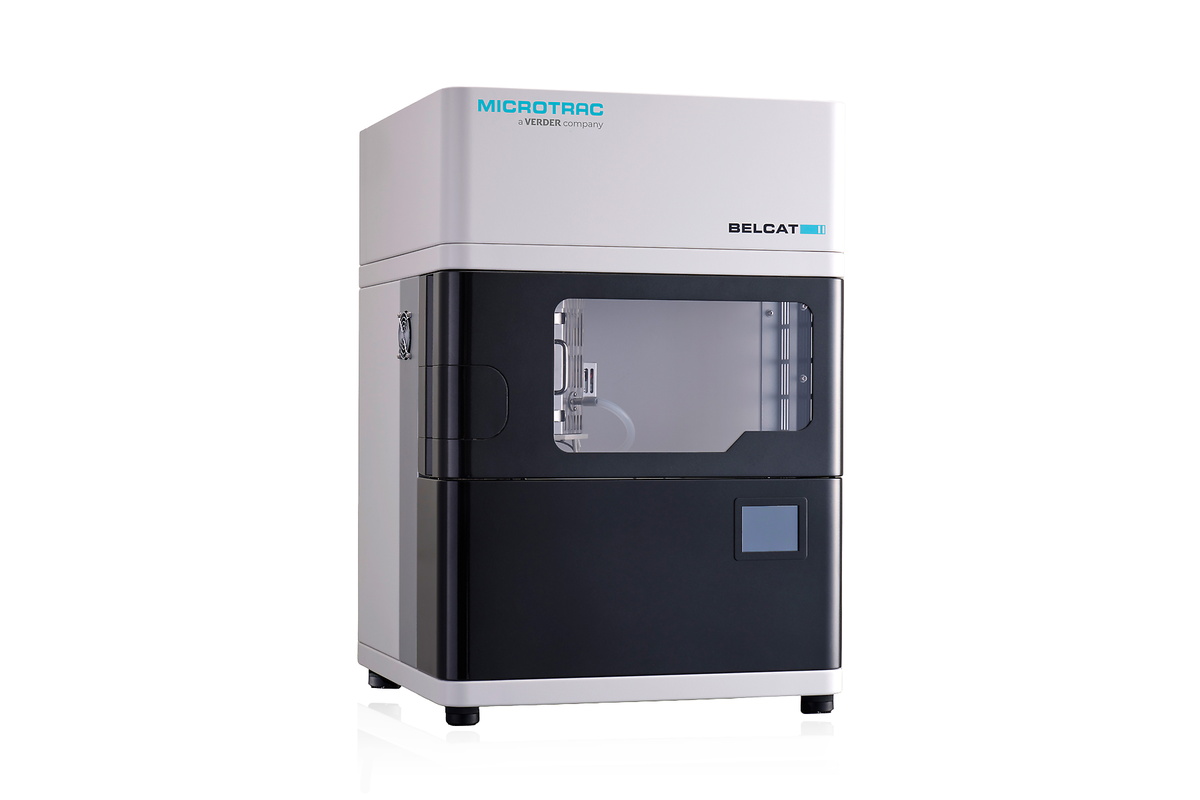
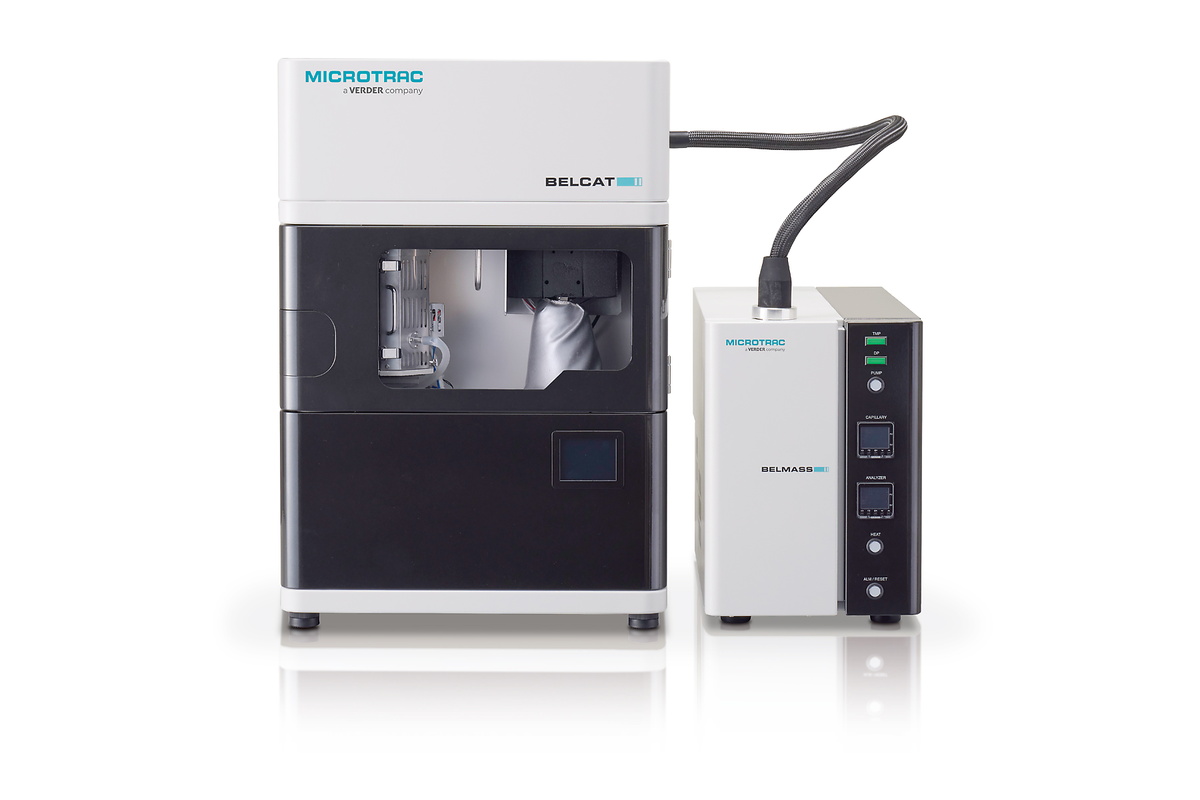
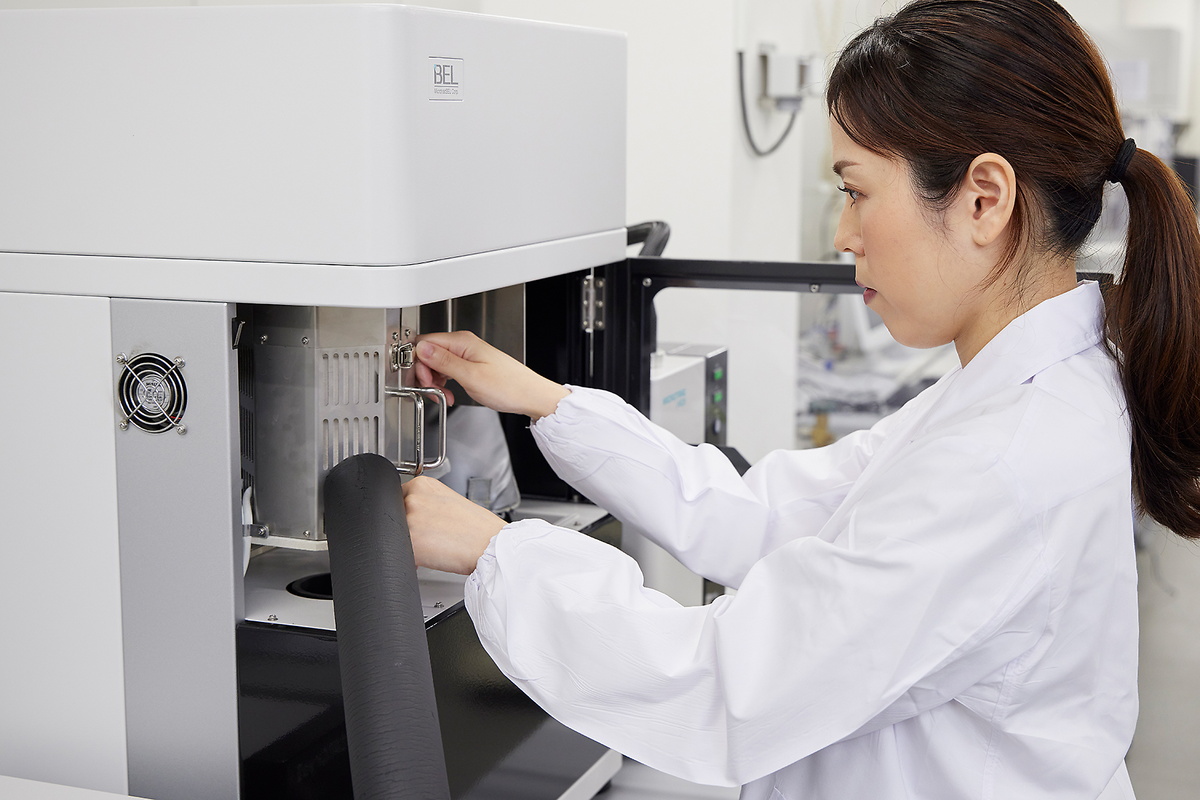
Unlock state-of-the-art catalyst characterization with the BELCAT II. The performance of solid catalysts is shaped by specific surface properties, with factors like nature and distribution of active sites, acidity, basicity, redox behavior, electronic structure, and surface morphology all playing critical roles in determining catalytic activity, selectivity, and stability.
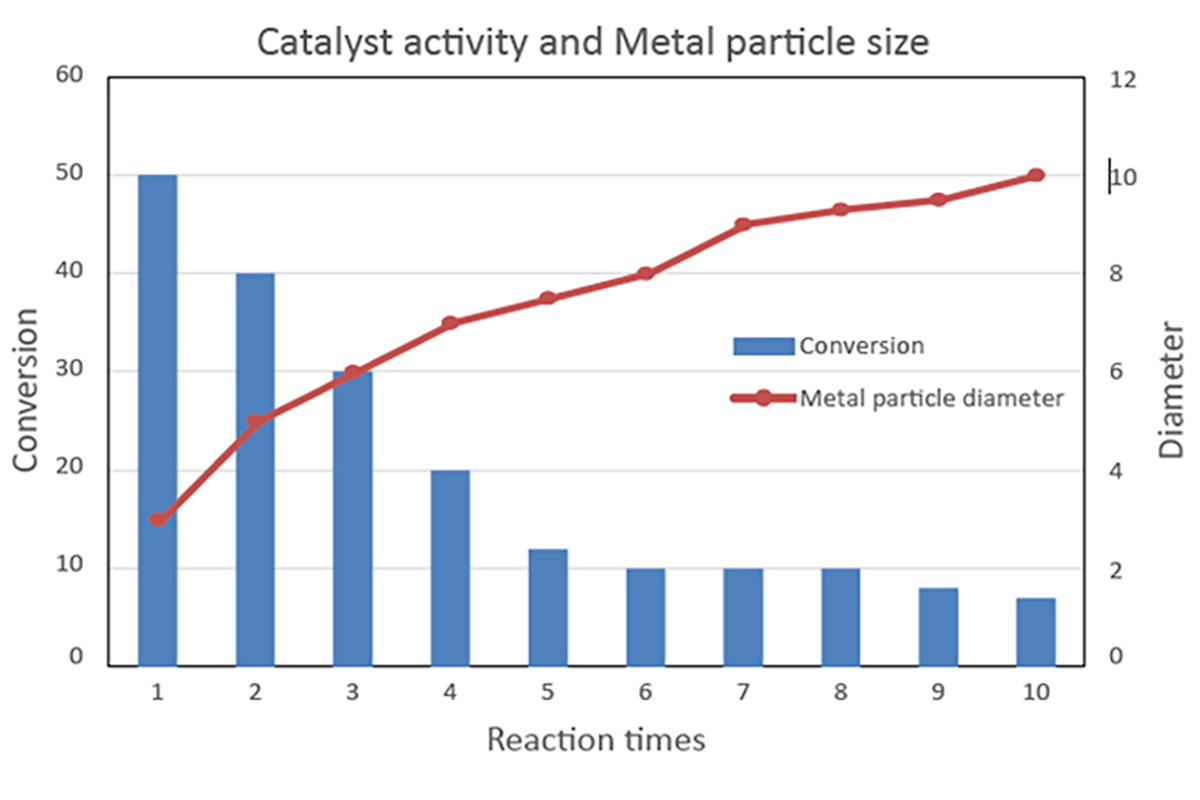
The BELCAT II delivers precise analysis of metal dispersion rates, metal surface areas, and average particle size for supported precious metal catalysts, helping researchers enhance catalyst performance while reducing costs. In addition to providing measurements of specific surface areas (BET) and adsorption kinetics, the BELCAT II determines adsorption capacity through breakthrough curve analyses. These data are essential for the development of innovative adsorbent materials. As a comprehensive catalyst analyzer, it combines all functions in a single device, offering broad applicability and extensive customization to support diverse research and development objectives.
Discover the standout capabilities of the BELCAT II instrument. Below is a list of its key features, designed to provide comprehensive and reliable catalyst analysis while offering flexibility to suit diverse research and development requirements.
Multi-Purpose Gas Dosing Design
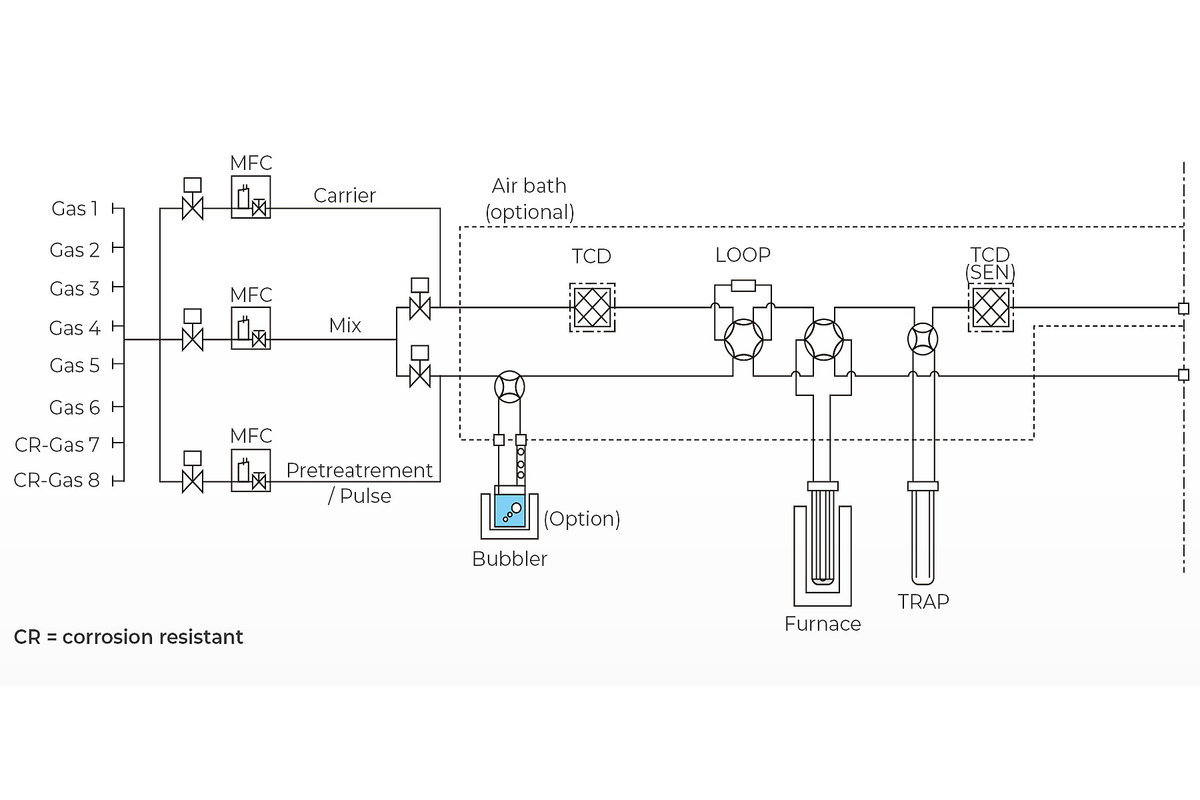
The integrated multiline gas manifold allows simultaneous connection of up to eight different gases - including two corrosive types - which are internally distributed throughout the system. This smart design supports software-controlled blending, enabling precise generation of customized gas mixtures directly within the unit. These blends can be used during sample pretreatment, analysis, pulse loop operations, and automated calibration. By eliminating the need for premixed gases and minimizing external tubing, the system enhances workflow efficiency, reduces operating costs, and significantly lowers the risk of leakage.
| BELCAT II (multi-purpose) | Alternative devices (single-purpose) | |
|---|---|---|
| Preparation gases | 1. He, 2. N2, 3. Ar, 4. H2 | 5 gas lines: 1. He, 2. N2, 3. O2 / He, 4. H2 / Ar, 5. CO / He |
| Analysis (loop) gases | 5. CO, 6. O2, 7. N2O, 8. NH3 | 5 gas lines: 1. H2, 2. CO, 3. NH3 / He, 4. O2, 5. N2O |
| Carrier gases | 1. He, 2. N2, 3. Ar | 3 gas lines: 1. He, 2. N2, 3. Ar |
| Total | 8 gas lines needed to prepare the same gas(-mixtures) | 13 gas lines are needed |
Superior Temperature Control
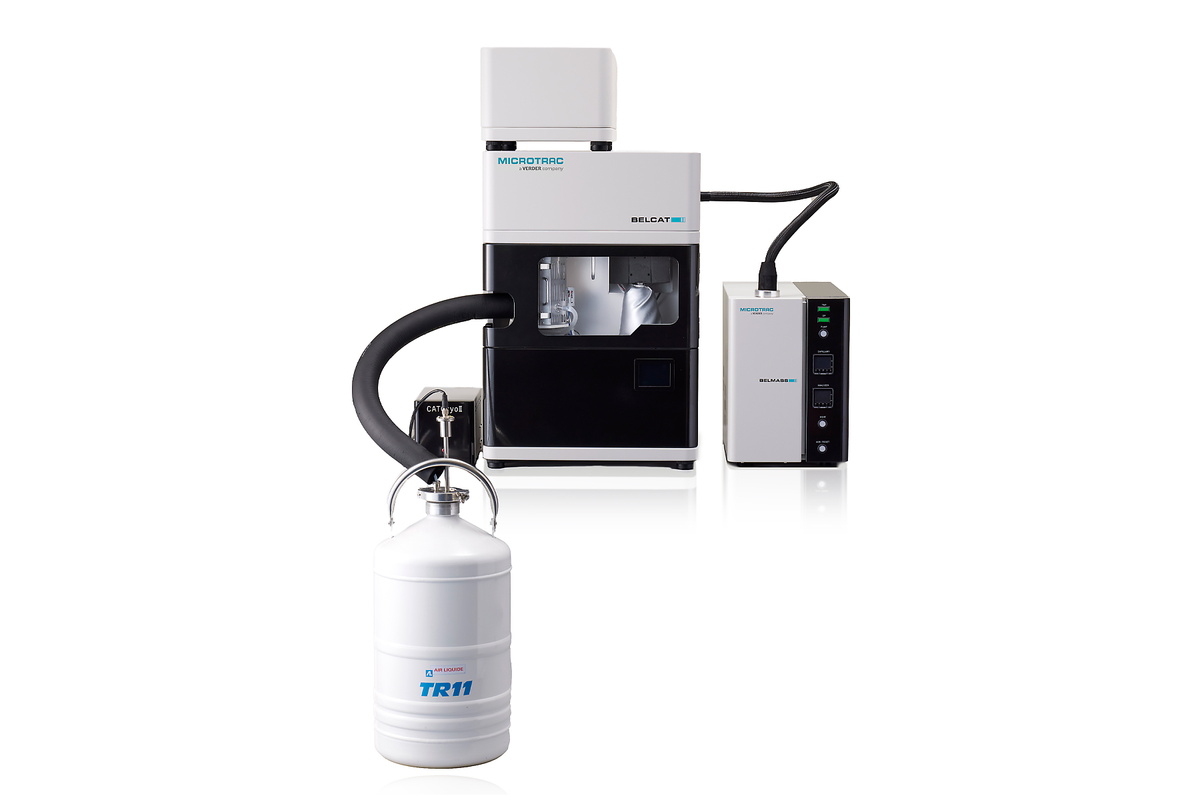
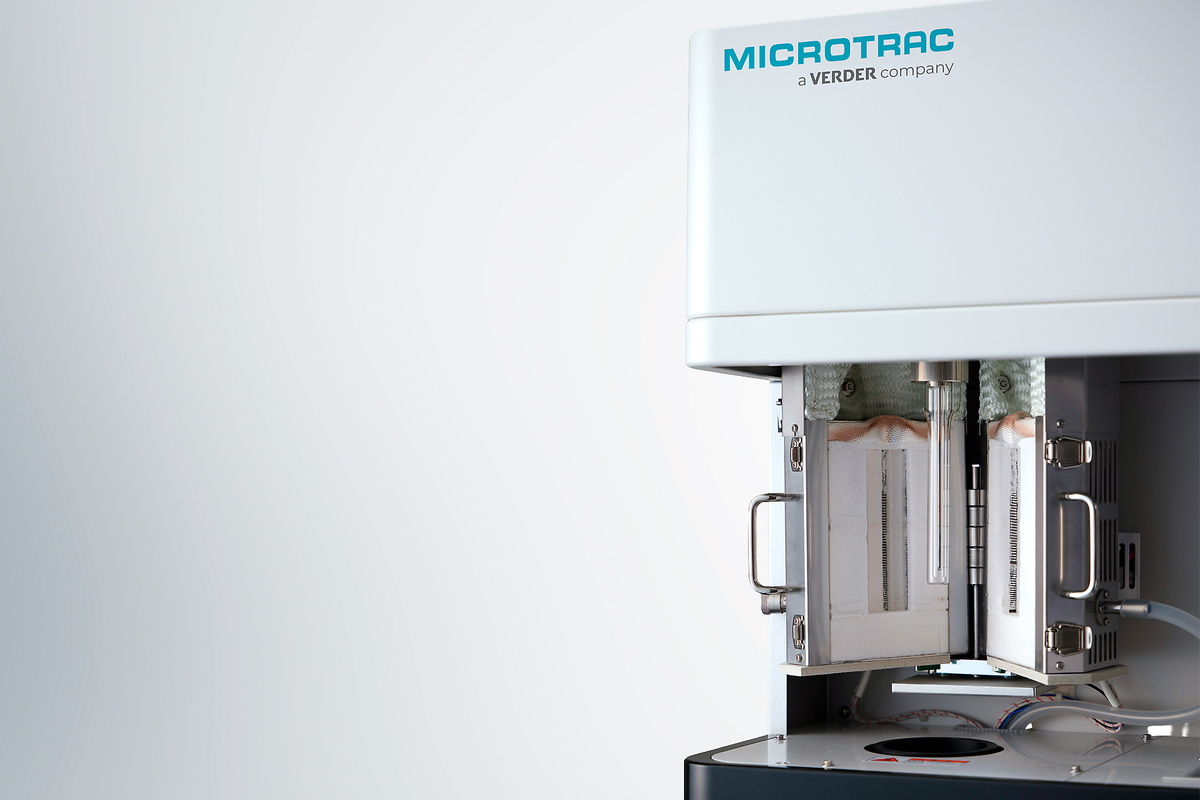
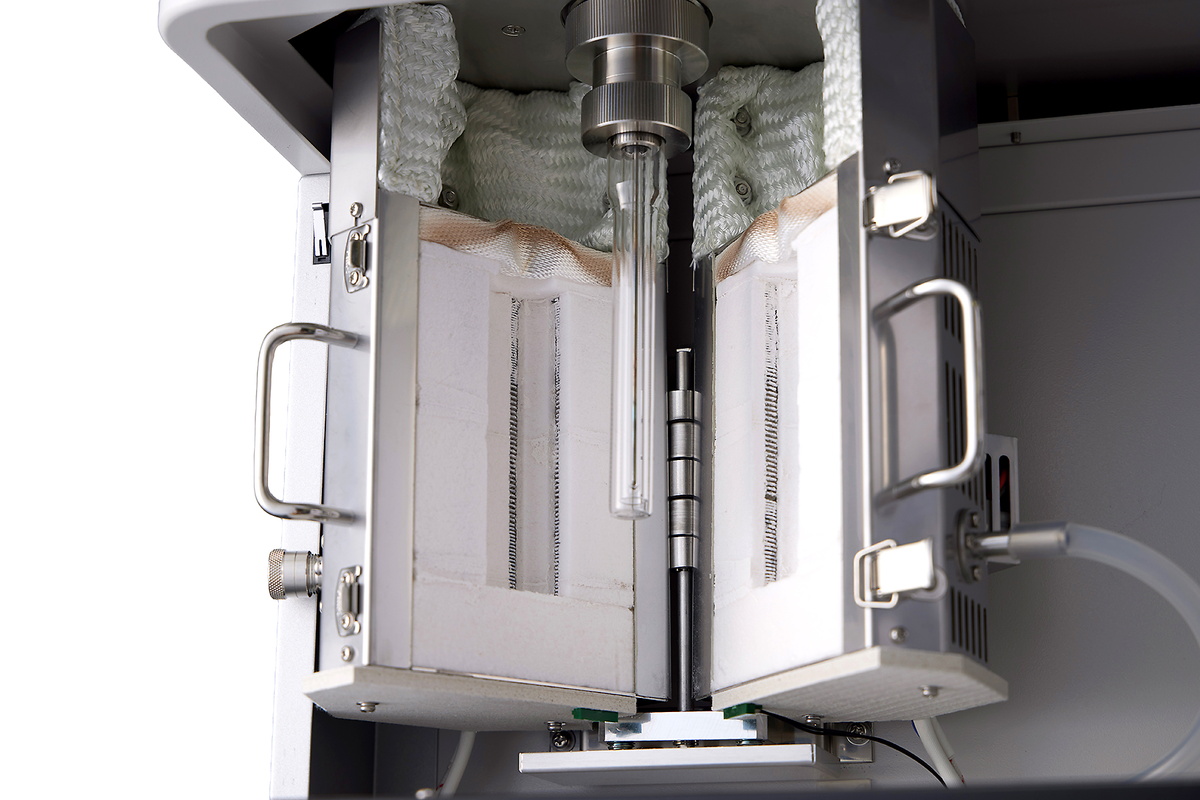
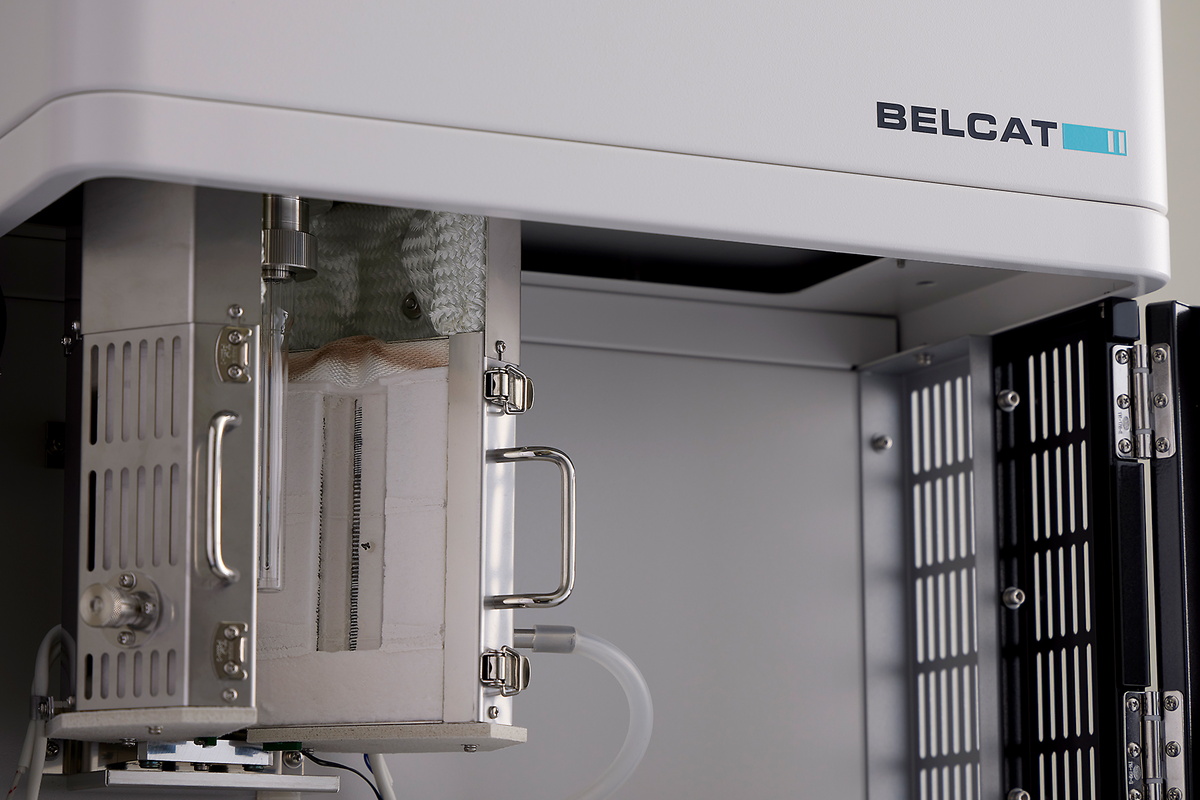
Experience rapid heating and cooling with a compact split furnace designed for high performance. Heating rates reach up to 110 °C/min from 50 to 500 °C, or 80 °C/min from 50 to 1000 °C, with a maximum operating temperature of 1100 °C. Integrated fan-assisted cooling shortens turnaround times, reducing the temperature from 400 to 50 °C in just 30 minutes. This boosts sample throughput and minimizes downtime. For advanced subambient applications, the CATCryo II cryogenic option delivers exceptional cooling down to -120 °C. It sets new standards in thermal management, cooling from 800 to 30 °C in only 10 minutes – unlocking new possibilities in adsorption research, material characterization, and precision-controlled experiments.
Outstanding Safety Measures
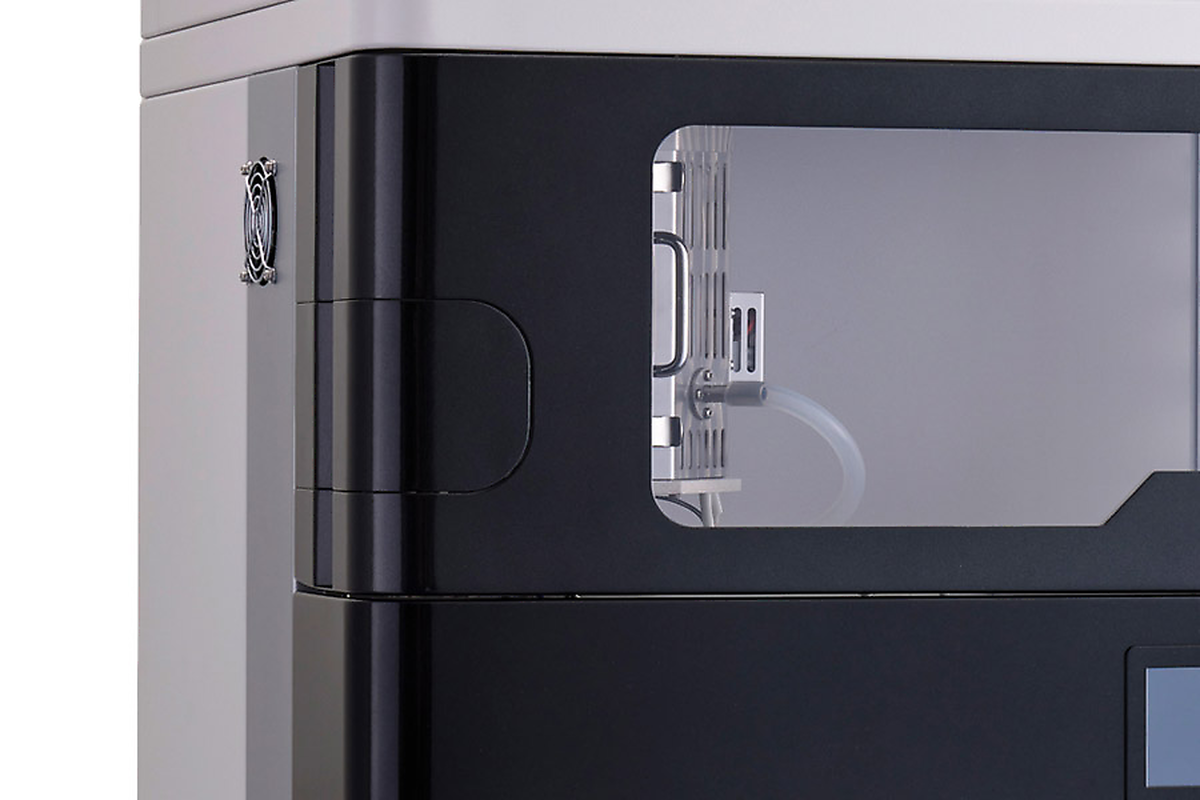
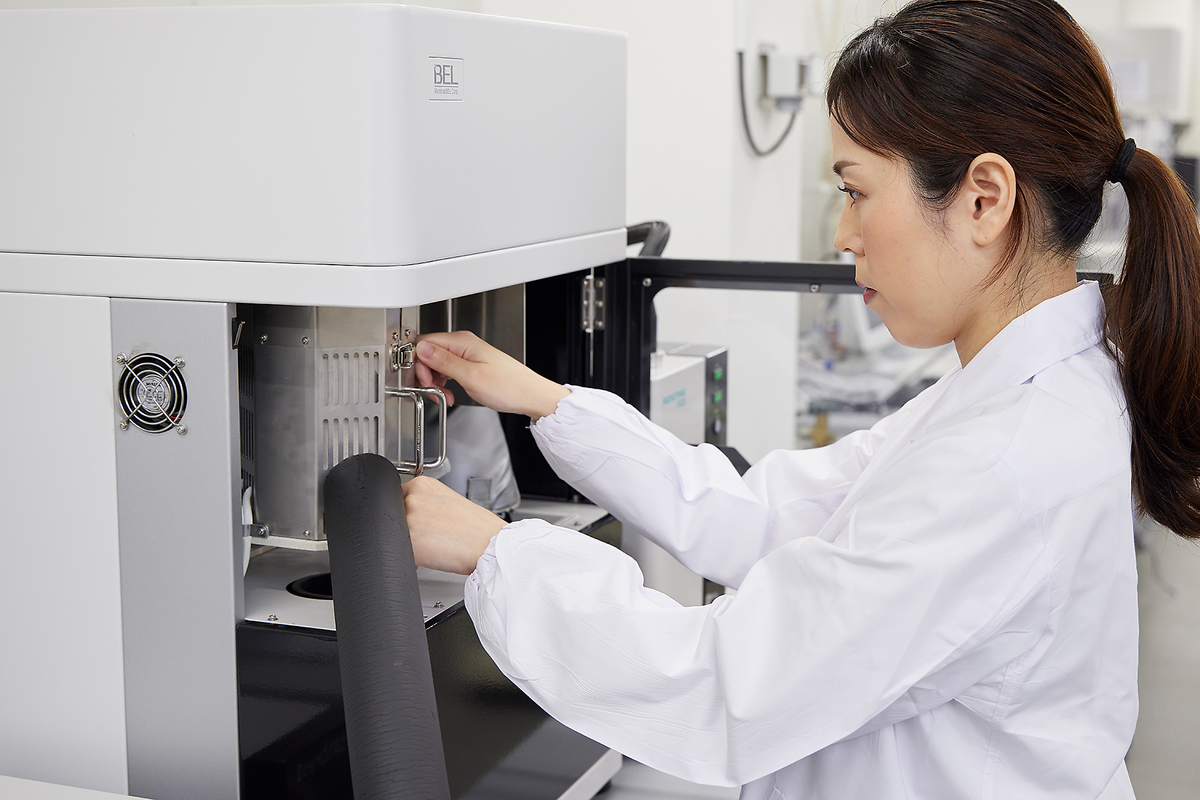
Features an auto-locking safety-door, overheat protection, automatic shutdown, integrated alarms, and optional gas detection for the highest level of operational safety. The supplied zeolite trap – to remove moisture during TPR experiments – eliminates the need for liquid nitrogen.
Triple Sample Cell Design
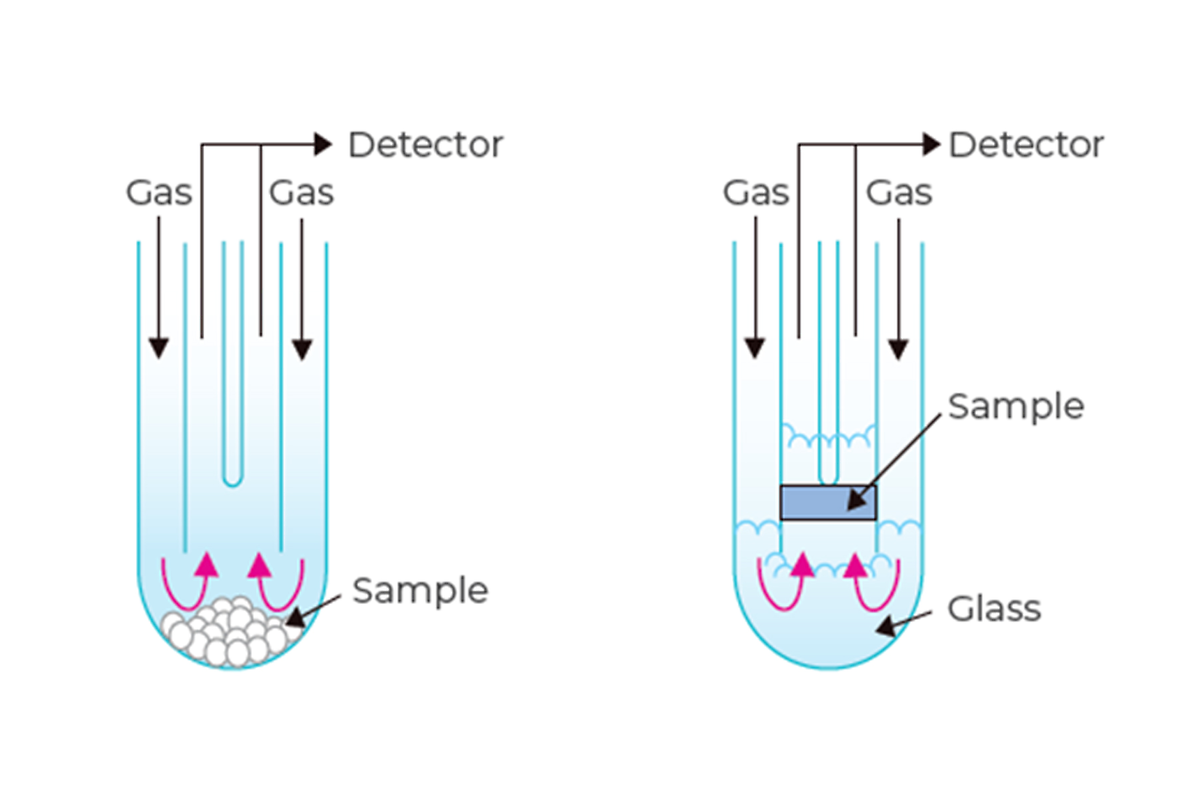
State-of-the-art design ensures efficient gas preheating and maximizes throughput for demanding workflows. The cylindrical design of the tube enhances ease of handling and increases safety by being tension-free and less prone to breakage.
Modular Design With Upgrade Capability
Future-ready design allows enables on-demand upgrades directly in the field. Its expandable architecture supports seamless integration of a vapor dosing unit, external gas mixing module, and a cryogenic option for enhanced adsorption studies and accelerated cooling.
Versatile Measurement Condition Settings
Sequential measurement mode allows for seamless combination of thermochemical methods and catalyst testing steps in a single workflow.
Compact Instrument Design With Small Footprint
Compact and efficient design (W 500 x D 500 mm) fits effortlessly into any laboratory.
Purpose-Built for Precision
Dedicated instrument designed specifically for pulse chemisorption analysis and temperature programmed methods, featuring minimized dead volume for exceptional accuracy. Equipped with a temperature-controlled, high-performance thermal conductivity detector (TCD) and advanced circuitry, delivering an unmatched signal-to-noise ratio for the most sensitive measurements.
Pulse Chemisorption With Total Confidence
With calibrated volume, dedicated pressure and temperature sensors - every dose exceeds expectations. Customized gas mixtures are delivered on demand by the integrated gas blending system, eliminating the need for additional injection loops and ensuring smooth, efficient workflows.
| Vapor dosing unit | Consists of an air thermostat unit, bubbler, heater and condenser. The condenser eliminates excess vapor. Two-stage process ensures precise vapor dosing at stable concentrations. |
| External gas mixing unit | Allows mixing of three or more gases. One unit can install up to six lines. Corrosive gases are supported. |
| Low temperature electric furnace / CATCryo II | By applying the liquid nitrogen spray, the sample temperature can be continuously controlled from -120 °C. The cooling performance is improved with the optimal internal structure, and the liquid nitrogen consumption is drastically reduced. |
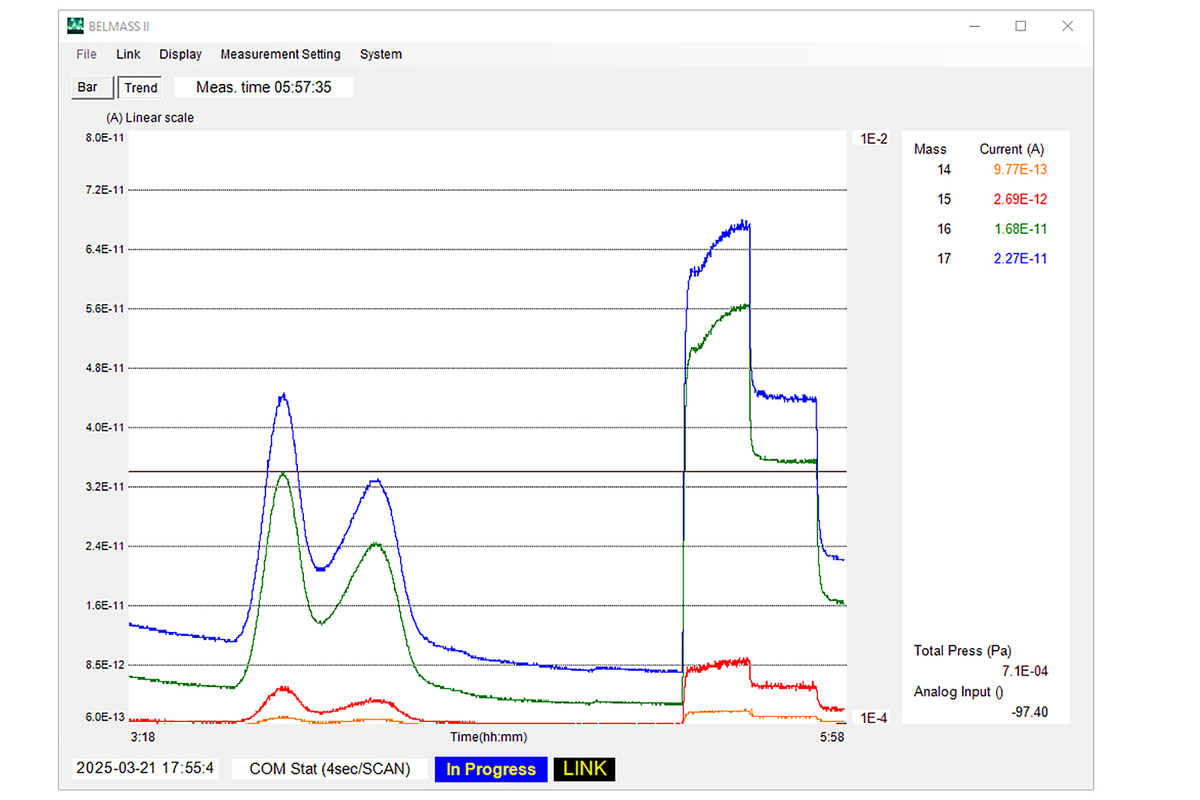
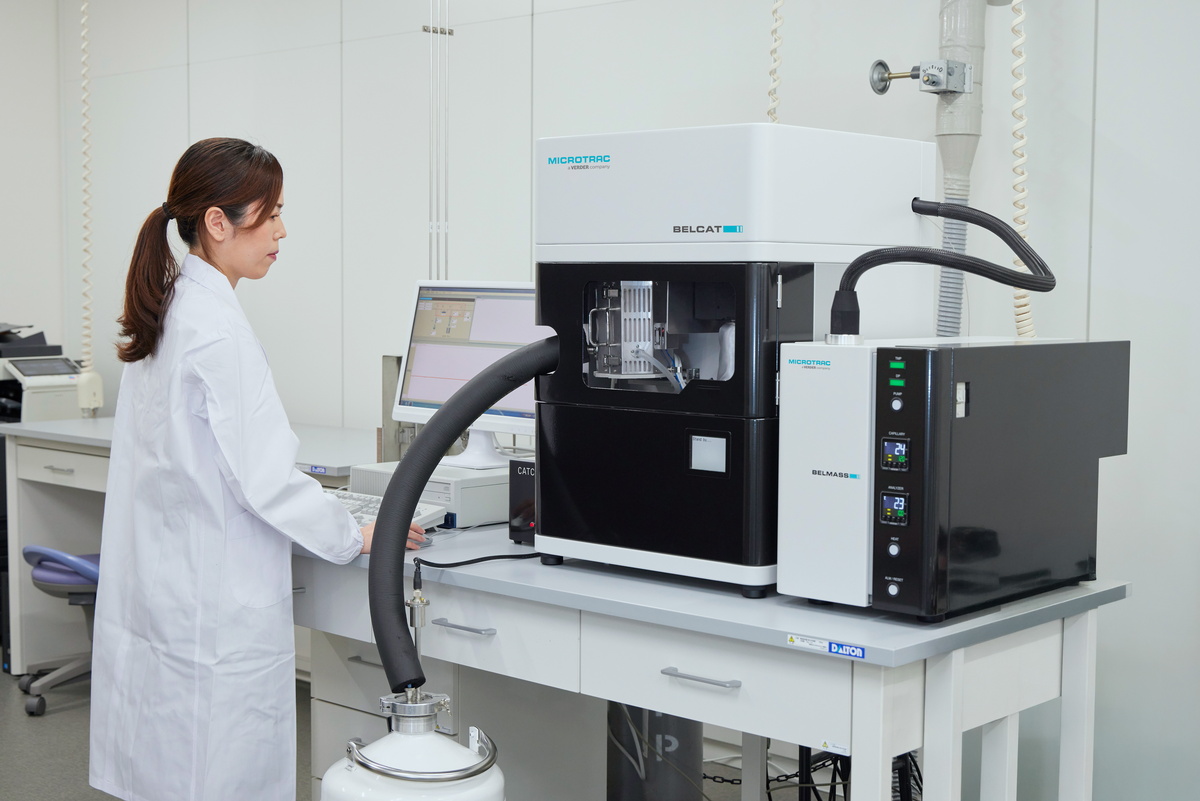
| On-line gas analyzer / BELMASS II | Systemized quadrupole mass spectrometer, BELMASS II can be connected with BELCAT II. Multiple components of gases can be measured at high quantitative accuracy while linked with the BELCAT II software. Ideal for demanding experiments, including catalytic reactions. |
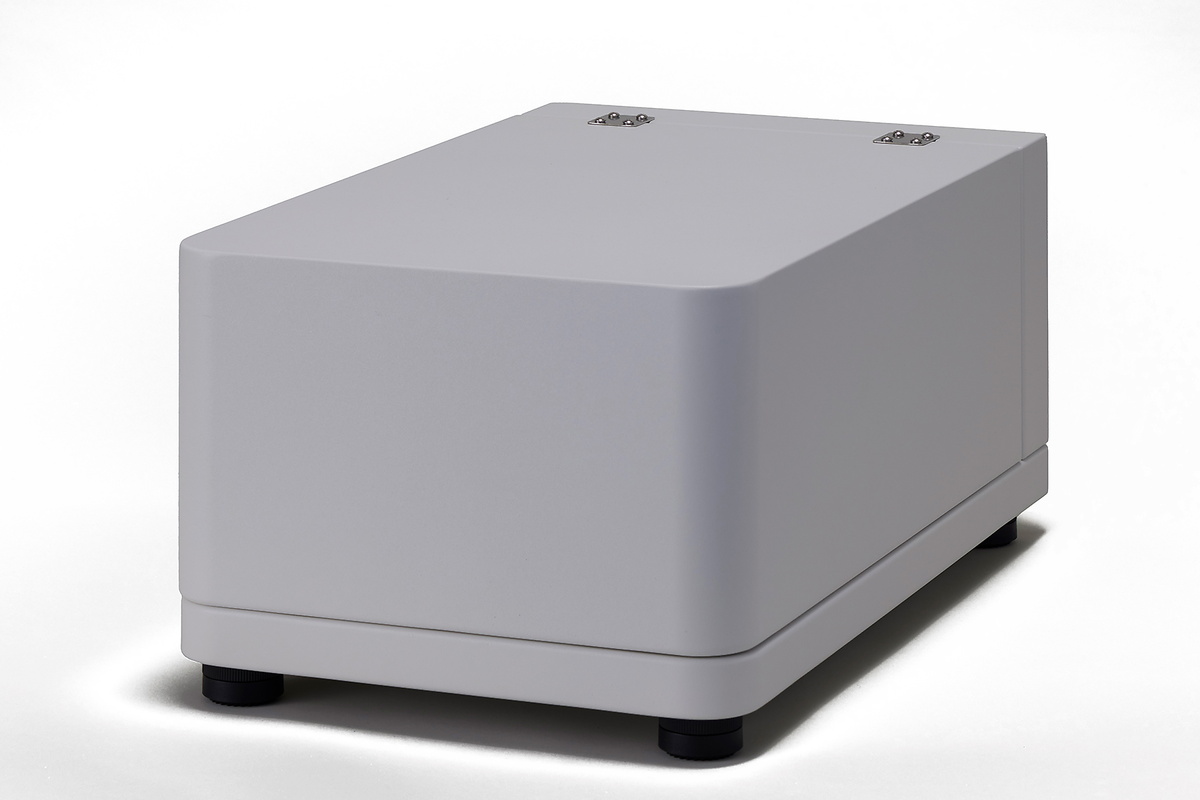
| AIRGUARD measurement system | Functional materials can react with moisture and oxygen in air, resulting in structural changes while potentially generating corrosive gases. The new AIRGUARD solution – developed by Microtrac – allows safe handling of samples without air-contact. |
| Separation performance evaluation of mixed gas | For DAC, CCUS, and CCS applications, the system enables breakthrough curve measurements with multiple gaseous components such as CO2 and H2O that can be analyzed using dedicated highly stable and repeatable sensor detectors. Options:
|
catalisadores
materiais de bateria
cimento
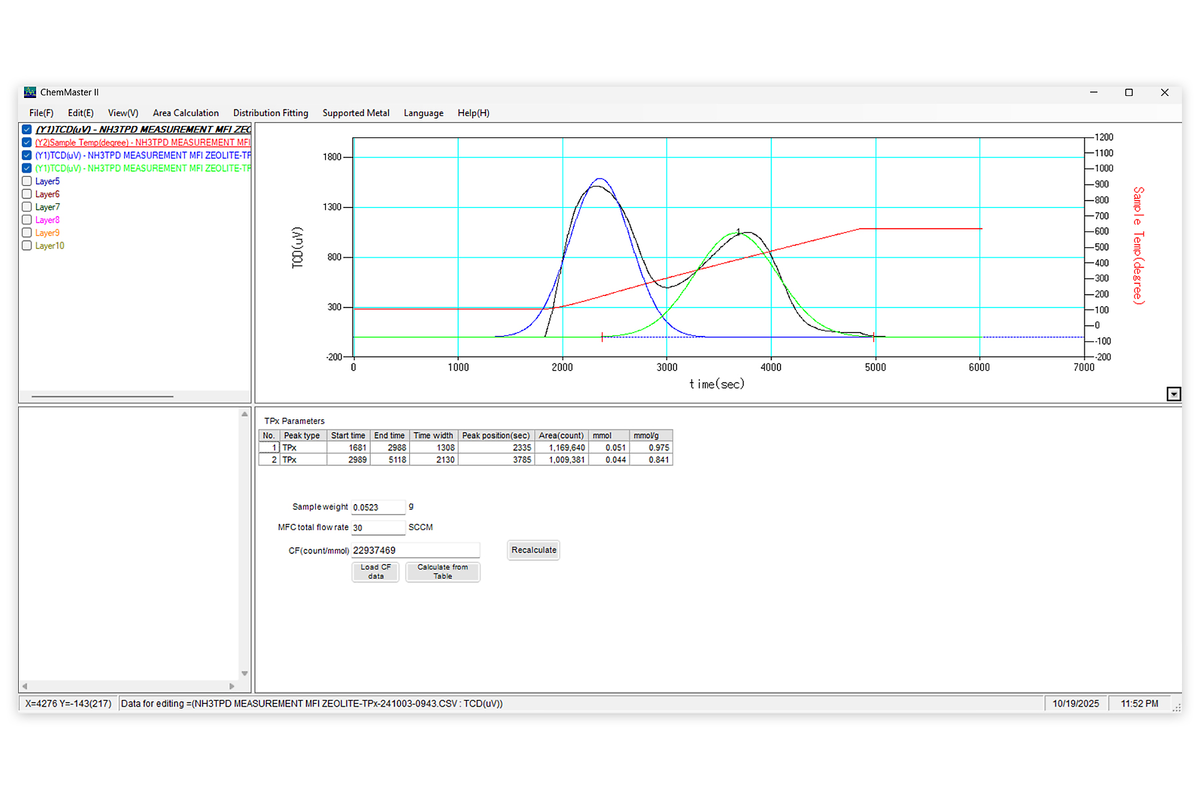
Desorption amount 0.835 mmol/g (2 = H peak value); Peak temperature 440 °C
Convenient conversion of time-based data into temperature-dependent profiles
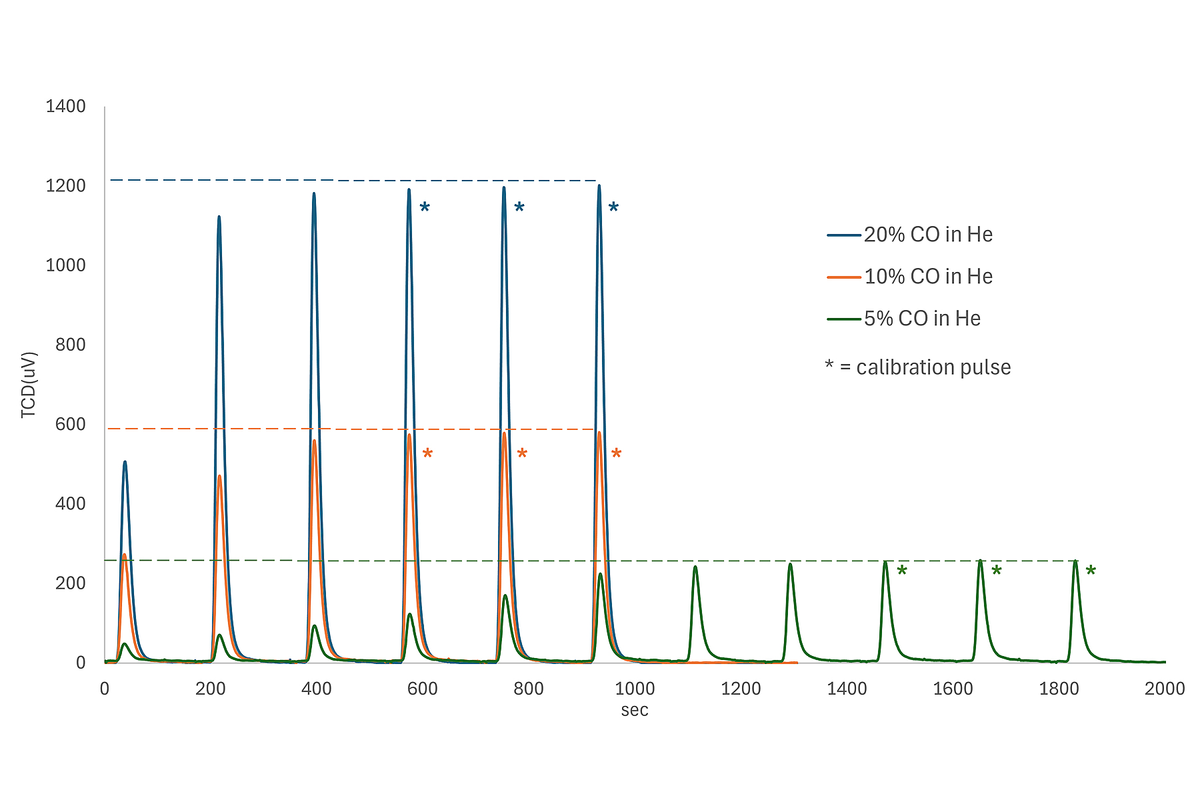
Desorption amount: 0.527 cm³/g, Metal dispersion rate: 22.7%, Metal surface area 1.13 m²/g, Metal particle size: 4.99 nm.Fully automated base line correction and integration of pulses for effortless evaluation of data.
Adsorbed CO2 amount: 3.18 mmol/g. Blank measurement (black), break-through adsorption experiment (red) and calculated differences as adsorbed amount (blue).The combination with BELMASS II enables multi-component break through analysis.
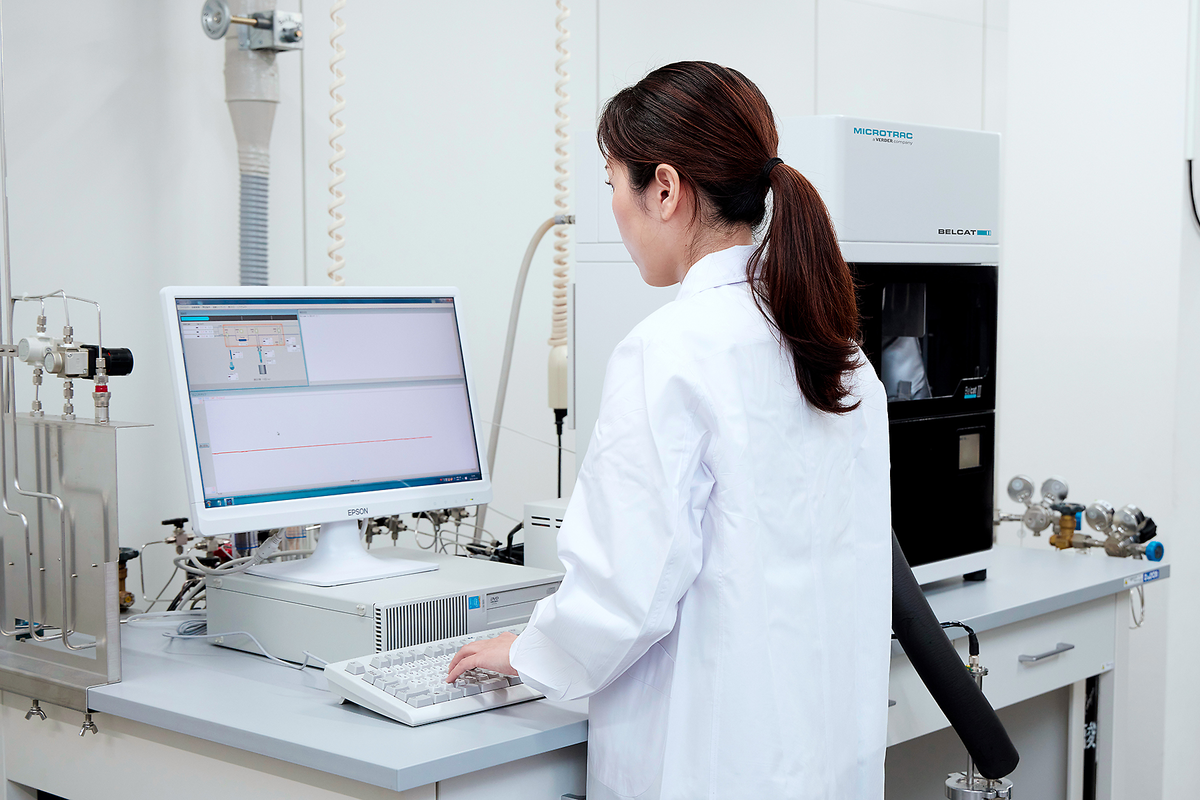
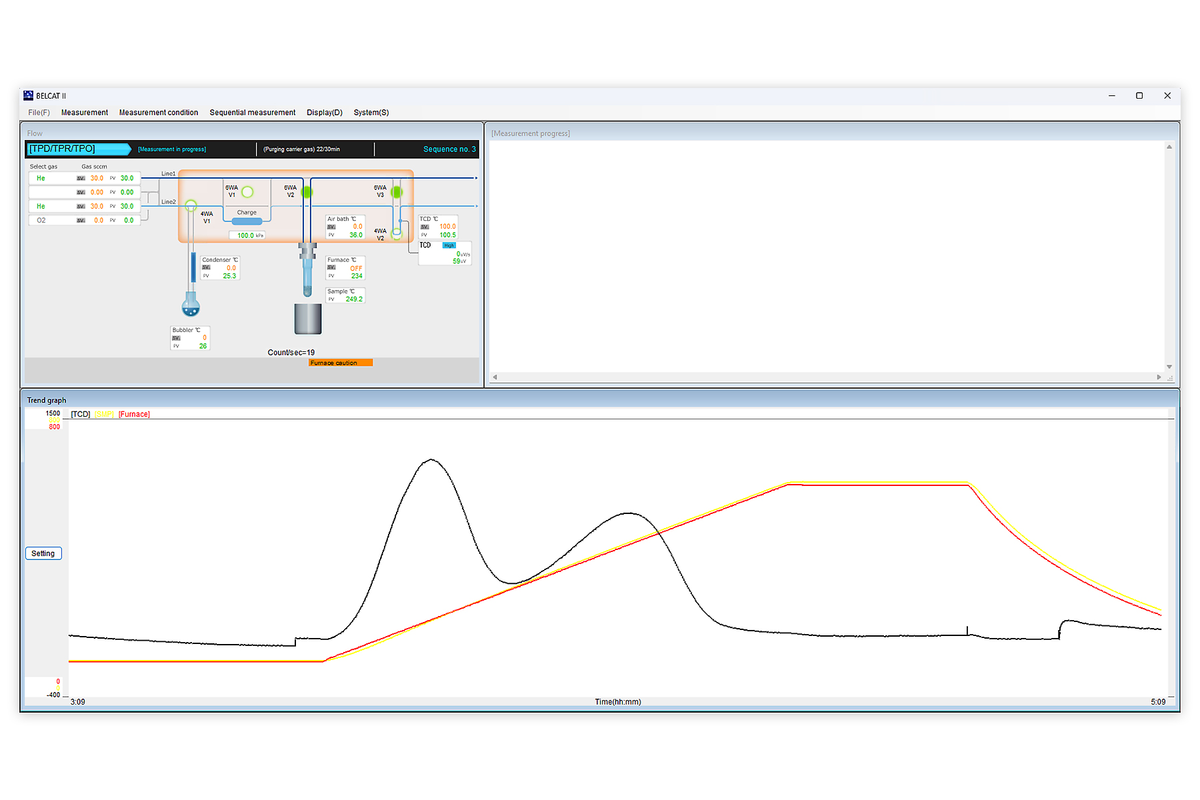
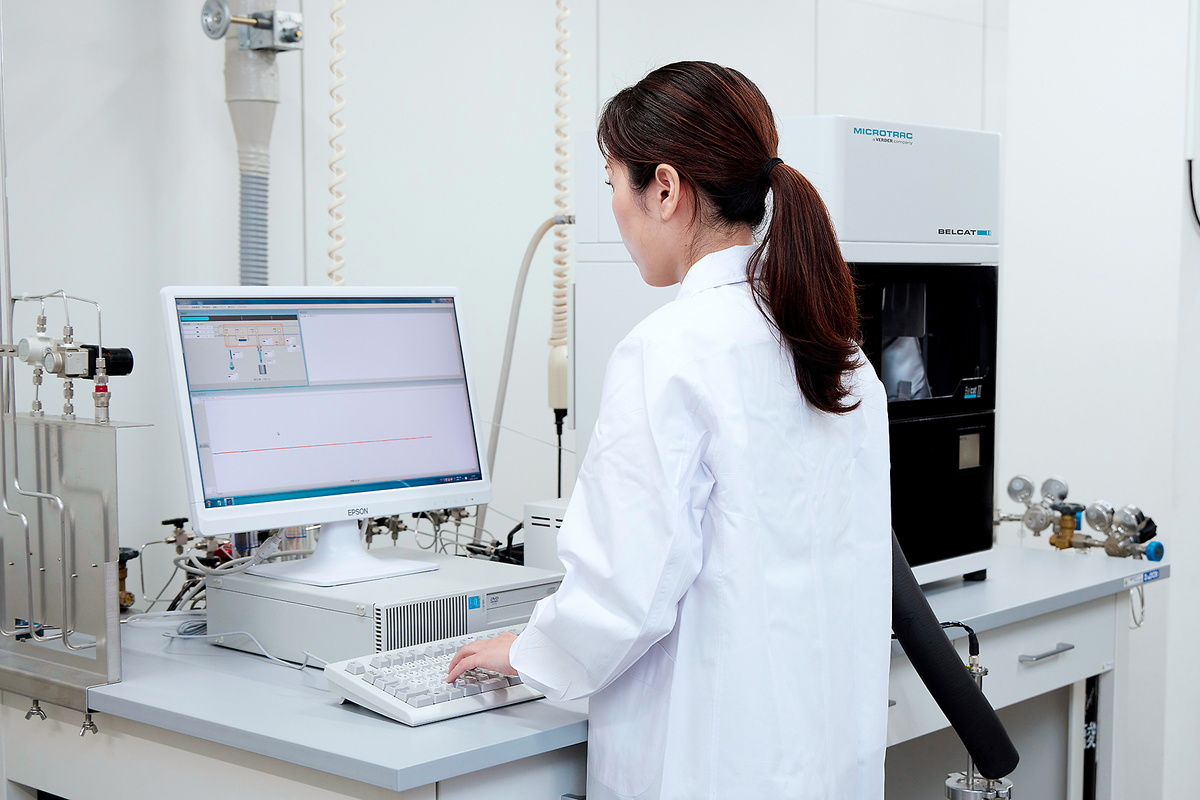
The intuitive software is packed with powerful features that boost operator productivity. The advanced BELCAT II platform, refined over many years, enables easy execution of complex measurements while ensuring reliable and reproducible results through a range of sophisticated functions.
BELCAT II measurement view
Result of sequential measurements
Waveform deconvolution view
BELMASS II measurement view
| Simple operation measurement function | Dedicated tabs for standard analyses (TPR, TPD, TPO, and BET) enable easy programming and real-time monitoring of operational status, TCD charts, temperature, and flow rates. | Automatic zero-point adjustment of TCD | Automatic TCD zero-point adjustment ensures consistent baselines for reliable data comparison and accurate continuous measurements with different carrier gases. |
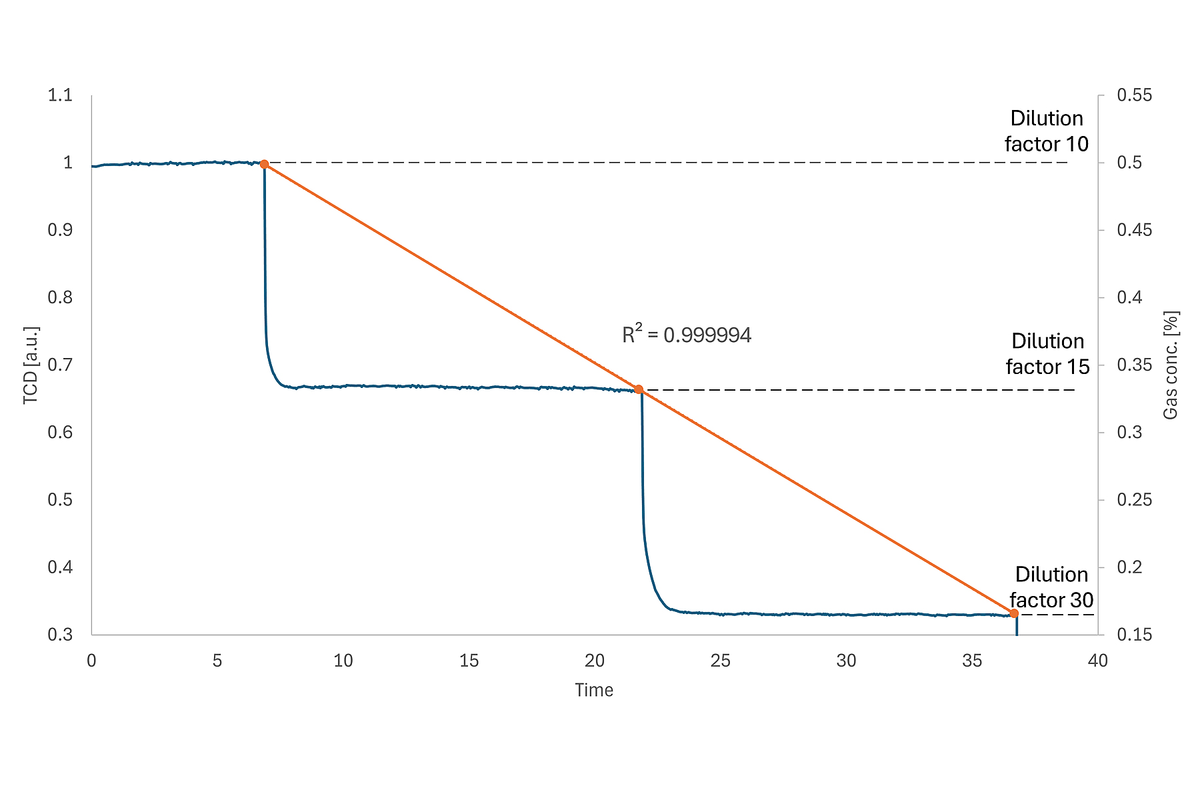
| Sequential measurement mode | Sequential measurement mode automates catalyst characterization by performing a series of independent measurements in a defined order, allowing for systematic analysis without user intervention. | Highly reliable automatic multi-point calibration | Automatic multi-point calibration is performed after TPD or TPR measurements by using the instrument’s MFCs to generate various gas concentrations. |
| Waveform analysis software | Analysis software enables easy data evaluation with automatic peak area calculation, spectrum overlay for comparison, waveform deconvolution for peak separation, and additional analysis tools for convenient processing. |
Pulse Measurement
The metal dispersion rate is a critical parameter in heterogeneous catalysis. It refers to the proportion of metal atoms that are exposed on the surface of a catalyst relative to the total number of metal atoms present (often expressed as a percentage). Metal dispersion can be calculated through pulse chemisorption using gases such as CO or H2, which selectively chemisorb onto the metal surface. This is achieved by continuously pulsing a specified amount of gas into the sample until saturation is reached. Pulse measurement determines the chemisorbed quantity by taking the saturated peaks as a reference. The difference in peak areas between unsaturated and saturated state is giving the adsorbed amount. The metal dispersion rate is essential for assessing, optimizing, and understanding the performance and longevity of metal-based catalysts.
Temperature-Programmed Desorption Measurement (TPD)
This method is known for examining the chemical adsorption characteristics on solid surfaces and is generally represented by a spectrum with desorbed gas concentration as the Y-coordinate and temperature as the X-coordinate. By continuously increasing the sample temperature and detecting the desorbed gas, it is possible to determine the amount and strength of energetically distinct adsorption sites. Typically, NH3-TPD is used to evaluate the acidic sites of solid acid catalysts, whereas CO2-TPD is commonly employed to assess the basic sites of solid base catalysts; in addition, CO-TPD and often H2-TPD are applied to characterize active metal centers.
TPOxidation (TPO) / TPReduction (TPR) and TPReaction (TPX)
TPR, TPO, TPX, and TPSR are powerful techniques for analyzing the reactivity of solid catalysts. These methods involve gradually increasing the sample temperature while monitoring the consumption of reactants or the formation of products - typically plotted with temperature on the X-axis and signal intensity on the Y-axis. This approach enables continuous observation of redox behavior and reaction dynamics, revealing key properties such as reduction temperature, oxidation potential, and reaction steps. TPSR, in particular, allows direct investigation of surface reactions under reactive gas mixtures, providing insight into reaction mechanisms and intermediate species. Common applications across these techniques include oxidation/hydrogenation reactions, shift chemistry, and reforming processes.
Temperature Programmed Reduction (TPR)
Temperature Programmed Oxidation (TPO)
Adsorption Breakthrough Curve Measurement
The breakthrough curve describes the concentration of an adsorbate passing an adsorption column over time. It is an essential tool for understanding how adsorbent material captures one or more components from a mixture of gases as it passes through the column.
BET Specific Surface Area Analysis
The specific surface area, defined as the total surface area per unit dry mass of a solid, is an important parameter for the characterization of catalysts. It can be determined using the BET method measuring the amount of a gas (e.g. nitrogen) desorbed after the sample is cooled to liquid nitrogen temperature under a helium-diluted adsorptive gas flow and then returned to room temperature. This method is not only dispensable for solid catalysts, but also for various powdered samples, such as adsorbents.
| Measurement method | Método de fluxo dinâmico |
| Detetor | Detector de condutividade térmica de 4 elementos semidifusor |
| Measurement / pretreatment ports | 1 |
| Usable gases | He, Ar, N2, O2, H2, CO, CO2, NH3, N2O, NO, etc. |
| Gas port connections: Total | 8 |
| Gas port connections: Carrier gas line | 3 out of 8 (non-corrosion resistant lines) |
| Gas port connections: Mix line | 8 out of 8 (including 2 corrosion resistant lines) |
| Gas port connections: Pretreatment /pulse line | 8 out of 8 (including 2 corrosion resistant lines) |
| Mass flow controller: Carrier gas line | F.S. 100 sccm |
| Mass flow controller: Mix line | F.S. 30 sccm |
| Mass flow controller: Pretreatment / pulse line | F.S. 100 sccm |
| Forno elétrico | Maximum temperature: 1.200 °C (1.100°C for regular use) Quick cooling: 30 min (400→50 °C) Cryo cooling: 10 min (800→30 °C) CATCryo II: down to -120 °C Heating rate: 110 °C/min (50 to 500 °C) / 80 °C/min (50 to 1000 °C) |
| Injeção de vapor (opcional) | H2O, CH3OH, C2H5OH, tolueno, benzeno, etc. |
| Dimensions (W x H x D), weight | 500 x 750 x 500 mm, 80 kg |
| Requirement: Gas | Measurement gas: 0.1 MPa (gauge pressure) Compressed air: 0.45 to 0.55M Pa (gauge pressure); Joint: 1/8” Swagelok connection |
| Requirement: Power supply | Single-phase, AC110 / 220V |
| Certificado CE | Sim |
| Vapor (optional): Temperature range | Bubbling bottle: Pyrex, 100 cc |
| CATCryo II (optional): Temperature control method | LN2 spray + Heater |
| CATCryo II (optional): Temperature range | Temperature range: -120 ~ 1200°C (1.100°C for regular use) |
| CATCryo II (optional): LN2 reservoir volume | 10 L |
| External gas mix unit (optional): Gas port | 1 ~ 3 (upgradable to a maximum of 3 MFCs) Joint: 1/8-inch Swagelok connection |
| External gas mix unit (optional): Mass flow controller | F.S.: 30 sccm (0.6 ~ 30 sccm (N2)) Corrosion-resistant MFCs only. |
Sujeito a alterações técnicas e erros